The Pros and Cons of TRT Replacement Therapy Near Me
@edwinhkxm997
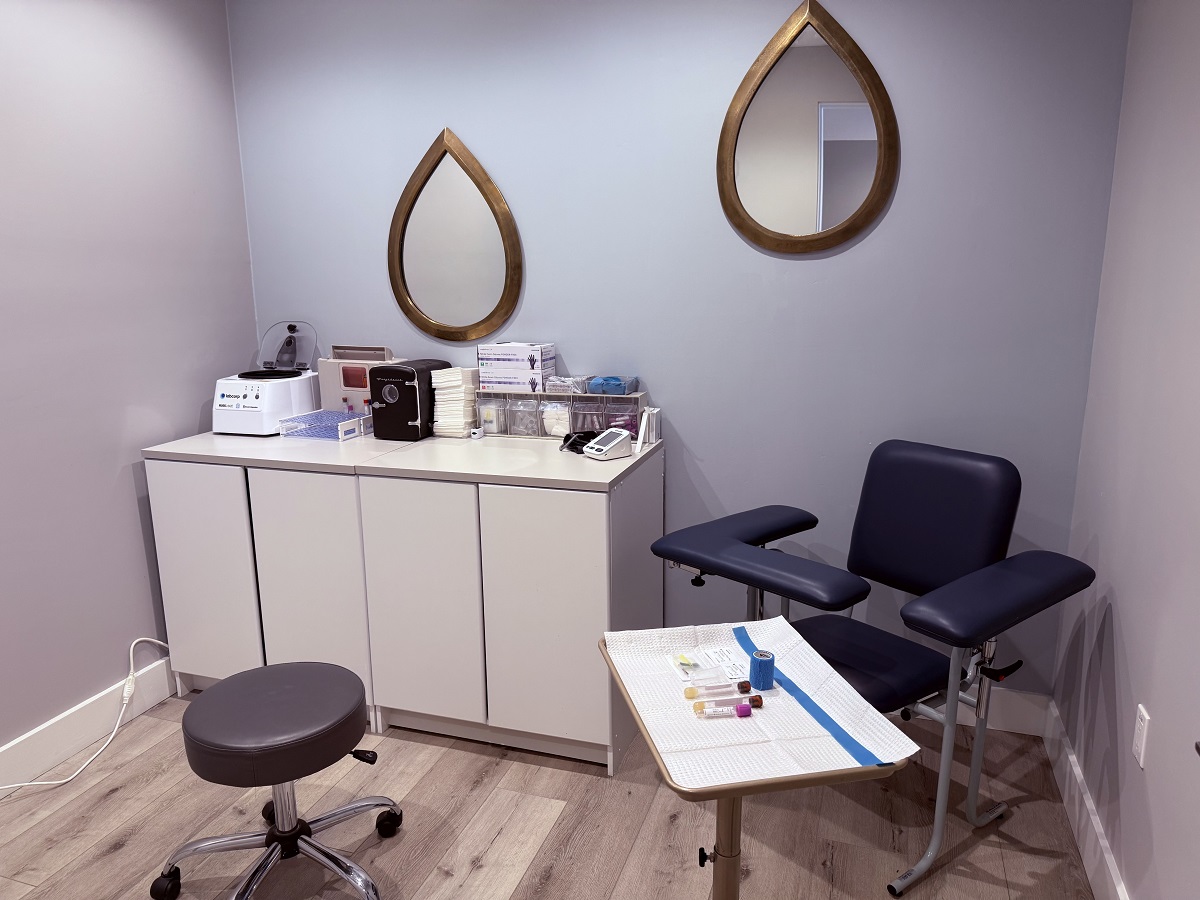

Searching for Trt replacement therapy near me usually starts the same way. A man notices he is not quite himself. He is tired despite sleeping enough, his workouts flatten out, his sex drive drops, his focus slips, and his mood feels off in a way that is hard to explain. He types a local search into his phone, then gets flooded with clinic ads, before and after promises, and bold claims about energy, muscle, confidence, and vitality.
That is where things get complicated.
Testosterone replacement therapy, usually shortened to TRT, can be genuinely helpful for the right patient. It can also be oversold, poorly monitored, or started for the wrong reasons. The local angle matters more than people realize, because this is not a one-time purchase. It is ongoing medical care, and the quality of that care can shape whether TRT becomes a steady health improvement or a frustrating cycle of expense, side effects, and unanswered questions.
Why men look for local TRT care in the first place
Most men do not start with a strong opinion about testosterone. They start with symptoms. The common complaints are familiar: low energy, low libido, reduced strength, slower recovery, poor motivation, more abdominal fat, irritability, and trouble concentrating. Some notice a gradual decline over years. Others feel like someone turned the dimmer switch down in a matter of months.
A local clinic feels attractive because it offers something simple, or at least the appearance of simplicity. You can speak with someone quickly, get lab work arranged, and hear a treatment recommendation without waiting months for a specialist appointment. For people who have already spent time being brushed off or told that stress and aging explain everything, that responsiveness can feel like a relief.
There is also a practical reason people prefer nearby care. TRT is not just about a prescription. It may involve repeat labs, dose adjustments, blood pressure checks, symptom tracking, injection teaching, fertility discussions, and management of side effects like acne or elevated hematocrit. If you need follow-up every few months, a clinic close to home is easier to stay consistent with than one an hour away.
Still, convenience can hide weak medical standards. A polished local office, or a sleek website that ranks well when you search Trt replacement therapy near me, does not tell you whether Trt replacement therapy near me the evaluation is careful, whether the clinician understands endocrine nuance, or whether your treatment plan fits your actual health picture.
What TRT is actually meant to treat
TRT is designed for men with clinically significant testosterone deficiency, often called hypogonadism. That diagnosis is not based on one symptom or one number alone. It usually requires both consistent symptoms and lab evidence, often with repeat morning testosterone testing. Good evaluation also looks at free testosterone when appropriate, pituitary function, thyroid status, sleep quality, body composition, medications, alcohol use, and conditions such as sleep apnea or diabetes that can affect hormone levels and how a person feels.
This matters because low testosterone symptoms overlap with a long list of common problems. Poor sleep can wreck libido and energy. Untreated sleep apnea can crush testosterone and raise cardiovascular risk. Depression can reduce motivation and sexual interest. Obesity can lower testosterone. Certain medications, especially opioids and some psychiatric drugs, can contribute. So can chronic stress.
A thoughtful clinician does not jump straight from “I feel tired” to “You need testosterone.” He or she builds a case. That process may feel slower than the aggressive marketing many TRT clinics use, but it is often the difference between proper care and expensive guesswork.
The real upsides of TRT when it is well chosen
When TRT is prescribed for the right patient, the benefits can be meaningful. Not dramatic in every case, not overnight, and not identical for every man, but meaningful.
Many men report better libido within weeks to a few months. Energy often improves more gradually. Mood, initiative, and sense of well-being may lift as well, though those effects tend to be less predictable than social media makes them sound. In the gym, some men notice better recovery, improved work capacity, and easier maintenance of lean mass. Others simply feel more resilient in daily life, less like they are dragging themselves through each afternoon.
I have seen one recurring pattern with men who benefit most: they usually were not looking for a miracle. They were looking to get back to baseline. One middle-aged patient type, common in everyday practice, is the man who used to train three times a week, worked long hours, kept up with family life, and then gradually lost the ability to recover from ordinary demands. He does not need to become a bodybuilder. He wants his normal self back. TRT can sometimes help him get there, provided the diagnosis is sound and the rest of his health is addressed too.
There are also body composition effects, though people often misunderstand them. TRT is not a fat-loss shortcut, but restoring low testosterone can make training and nutrition efforts more productive. A man with confirmed deficiency who starts treatment, improves Trt replacement therapy near me sleep, resumes resistance training, and tightens his diet may see a visible shift over six to twelve months. Without those supporting habits, the physical change may be modest.
Bone health deserves mention too. Chronic testosterone deficiency can contribute to reduced bone density in some men, particularly if the problem has gone on for years. In those cases, appropriate treatment may support skeletal health, though it is rarely the headline reason patients seek care.
The drawbacks people underestimate
The downside of TRT is not limited to side effects on a consent form. The larger issue is that starting treatment can commit you to a longer and more complex medical relationship than many men expect.
First, TRT can suppress natural testosterone production and significantly reduce sperm production. This point gets rushed past far too often. A man in his thirties who wants children in the future should not treat fertility as a footnote. If future conception matters, that conversation needs to happen before treatment starts. Sometimes alternative strategies are more appropriate. Sometimes fertility-preserving approaches are considered. The key is that local convenience should never outrank reproductive planning.
Second, monitoring matters. Testosterone can raise hematocrit in some men, meaning the blood becomes more concentrated. If that rises too high, the treatment plan may need adjustment. Estradiol can shift. Acne may flare. Fluid retention can occur. Sleep apnea may worsen in susceptible patients. Some men feel emotionally better on TRT. A few feel irritable or restless if dosing is off. It is not inherently unsafe when managed correctly, but it is not casual medicine.
Third, there is the issue of expectations. Plenty of men start TRT hoping it will solve fatigue caused by overwork, a bad diet, six hours of sleep, heavy drinking on weekends, and zero exercise. That is not fair to the treatment. Hormones can help correct one specific problem, but they cannot rescue a lifestyle that is grinding down every system in the body.
Fourth, cost can creep. Even if the initial consult seems affordable, the long-term package may include recurring visits, lab panels, supplies, membership fees, and prescription costs. Some clinics bundle aggressively. Others look cheap upfront and expensive later. Men often discover this only after they have already started therapy.
The biggest advantage of finding care near home
There is one clear reason local TRT care can be better than distant or purely online treatment: accountability.
When a clinic is nearby, you can go in for physical assessment, have face-to-face conversations, get injection technique corrected, and handle problems before they spiral. If you develop side effects, you are less likely to ignore them. If your blood pressure climbs or your hematocrit trends up, somebody can evaluate you in person. That kind of continuity is underrated.
Nearby care also tends to work better for men who are new to injections or uneasy about self-administration. It is one thing to watch a video. It is another to have a nurse show you how to draw up medication, choose the right needle, rotate sites, and avoid turning a simple weekly routine into a dreaded event.
There is also a psychological benefit. Men are more likely to stick with follow-up when the logistics are manageable. Medical adherence often fails for very ordinary reasons. The office is too far. Lab scheduling is inconvenient. A small concern becomes easy to postpone. Over time, local access helps keep therapy safer and more consistent.
When “near me” becomes a marketing trap
That same local search can lead you to clinics that treat testosterone more like a subscription service than a medical therapy. The warning signs are not always obvious at first. The office may look polished. The staff may be friendly. The sales message may sound reassuring, especially if you are frustrated and want answers.
What should give you pause is any program that seems ready to prescribe before doing a careful workup, or that frames TRT as the obvious answer to almost any symptom. Testosterone therapy should not be sold the way people sell cosmetic packages or gym transformations.
A few patterns come up again and again:
- one low lab value is treated as definitive without repeat confirmation
- fertility concerns are minimized
- monitoring plans are vague
- side effects are described as rare and minor without context
- add-on drugs are offered automatically, whether or not they are clearly needed
Those are not small details. They reflect the clinic’s philosophy. A careful practice starts with diagnosis, not with inventory.
The less visible medical questions that matter
A good TRT conversation often gets into issues the patient did not expect. Sleep is a major one. Men with untreated obstructive sleep apnea frequently present with fatigue, poor libido, brain fog, and low testosterone. If nobody asks about snoring, witnessed apneas, daytime sleepiness, morning headaches, or blood pressure, the assessment may be missing something central. In some cases, treating sleep apnea improves how a man feels enough that the urgency around TRT changes.
Weight and metabolic health matter too. Excess body fat can lower testosterone, and low testosterone can make body composition harder to manage. It can become a loop. The right clinician recognizes that TRT might be part of the picture, but not the whole plan. The men who do best usually address food quality, resistance training, alcohol intake, insulin resistance, and sleep at the same time.
Then there is age. A healthy man in his late sixties with clear symptoms and repeatedly low levels may still be an appropriate candidate, but his risk profile and treatment goals differ from those of a 34-year-old who hopes to have children. The phrase Trt replacement therapy near me may bring both men to the same search results, but they should not walk away with cookie-cutter care.
What the follow-up process should feel like
Once therapy starts, the experience should be structured but not mechanical. You should know when labs will be checked, what symptoms to watch, and how dose changes are decided. You should not feel like you were handed a vial and left to improvise.
The practical side of TRT is often more mundane than people imagine. It may involve weekly or twice-weekly injections, though regimens vary. Some men prefer gels, but transfer risk, cost, and absorption issues can complicate that option. Pellets appeal to men who want fewer dosing events, yet they reduce flexibility when adjustments are needed. There is no perfect method. There is only the best match for a specific patient’s goals, habits, and tolerance for maintenance.
A clinic that handles this well tends to speak plainly. If your testosterone level is technically higher but you do not feel better, they do not just chase numbers. They look at sleep, mood, training load, relationship stress, thyroid function, diet, medications, and adherence. That is the mark of real medicine. Numbers matter, but symptom relief without broader judgment can turn into a frustrating game of dose tweaking.
Costs, time, and commitment
Many men ask whether TRT is worth it financially. That depends on the clinic model, insurance coverage, medication form, and how long treatment continues. Some men spend a few hundred dollars per month once everything is counted. Others spend less if they work through insurance and use standard generic formulations. But the true cost is not just money. It is attention.
You are signing up for regular labs, prescription management, and a treatment plan that may continue for years. If you travel often, hate needles, struggle with routine, or already have difficulty keeping medical appointments, those practical limits deserve honest discussion. The best treatment in theory can become a poor fit in practice.
There is also a subtle emotional cost when TRT is approached carelessly. Some men become fixated on lab values, chasing a feeling that never arrives because the underlying problem was not hormonal to begin with. Others get pulled into online comparison culture, where every dip in mood becomes a reason to adjust dose or add another medication. Good local care can protect against that by keeping the focus on health outcomes rather than hormone obsession.
How to judge a clinic before you commit
A man does not need an endocrinology degree to spot the difference between solid TRT care and a fast-moving sales funnel. A few questions tell you a lot about how a clinic operates.
- How do you confirm low testosterone before treatment?
- What labs do you check before starting, and how often after?
- How do you handle fertility concerns?
- What side effects do you watch most closely?
- What is the full expected monthly and annual cost?
If the answers are rushed, overly reassuring, or oddly vague, pay attention. If the clinician welcomes these questions and responds with specifics, that is a better sign. You want someone who can explain not only the possible upside, but also the limits, trade-offs, and scenarios where TRT is not the best move.
Who tends to benefit most, and who should slow down
The men most likely to benefit from TRT are those with clear symptoms, properly documented low levels, and realistic expectations. They understand this is treatment, not enhancement. They are willing to monitor labs, address sleep and fitness, and give the process enough time to work.
The men who should pause are those with unresolved fertility plans, untreated sleep apnea, highly chaotic lifestyles, or symptoms that point strongly toward another primary issue. That does not mean TRT is off the table forever. It means sequence matters. Sometimes the smartest thing a clinic can say is, “Not yet.”
That answer is not popular, especially in a market where many businesses compete for men searching Trt replacement therapy near me. But medically, restraint can be the clearest sign of competence.
The local search is only step one
Local access matters. It makes treatment easier to start, easier to monitor, and easier to sustain. For many men, it is the most practical way to receive ongoing care. But convenience should never be mistaken for quality.
The strongest case for local TRT is simple: when you have true testosterone deficiency and a responsible nearby clinician, treatment can improve quality of life in a real and measurable way. The strongest case against casual local TRT is just as simple: when evaluation is sloppy or expectations are inflated, you can end up paying for years of treatment that never addressed the real problem.
A smart search for Trt replacement therapy near me should lead to more than the nearest clinic with a slick ad budget. It should lead to a careful diagnosis, a doctor or qualified clinician who explains both benefits and risks, and a plan built around your health rather than a subscription model. That is where TRT has its best chance of helping, and where its downsides are most likely to stay manageable.
SDBody La Jolla
Address: 7710 Fay Ave, La Jolla, CA 92037
Phone number: +18584012383
FAQ About Trt replacement therapy near me
Will insurance pay for TRT therapy in La Jolla, CA?
Coverage varies by plan and may depend on the diagnosis, blood test results, medication and prior authorization. Ask your insurer which visits, lab tests and formulations it covers and what you would pay out of pocket.
What is the most affordable TRT clinic in La Jolla?
Compare written estimates for the initial visit, lab work, medication and follow-up monitoring. Your total cost will depend on your insurance and the care your clinician recommends.
Is TRT replacement good for you in La Jolla, CA?
Testosterone replacement may help some people with symptoms and consistently low testosterone confirmed by blood tests. A clinician can review the potential benefits, risks, fertility plans and monitoring needs before recommending treatment.